Namibia has established a strategic precedent for Africa’s energy transition with the launch of a 5 MW green hydrogen plant at Walvis Bay port in December 2025. Developed by Plug Power in partnership with Cleanergy Solutions Namibia, this facility is among the first fully integrated, renewable-powered green hydrogen ports on the continent.
Integrated Green Hydrogen for Operational Excellence
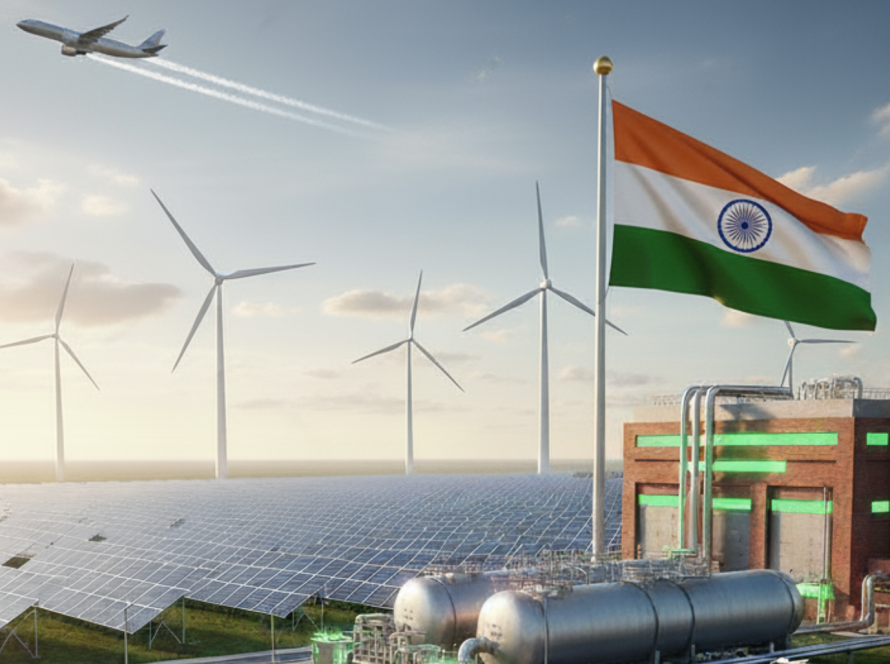
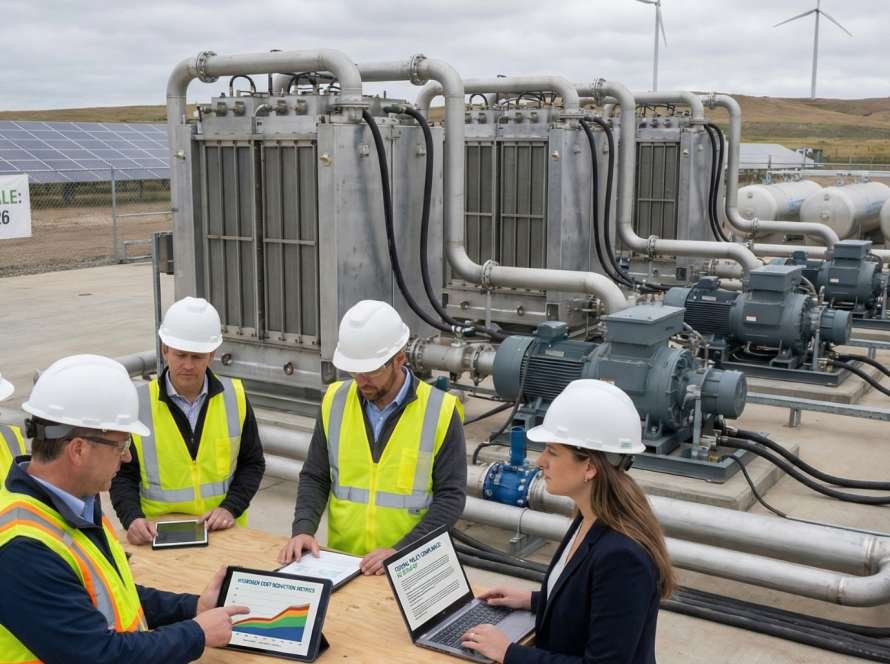
The Walvis Bay plant produces hydrogen on-site using electricity from adjacent solar and wind farms, powering yard trucks, cargo cranes, and service vessels. By replacing conventional fuels, the port significantly reduces operational emissions, demonstrating how renewable energy integration enhances industrial efficiency.
Operating at full capacity, the facility generates approximately two tonnes of green hydrogen per day, enough to sustain over 40 heavy-duty port vehicles. Oxygen generated during the process is either safely released or utilized across industrial applications. Designed for scalability, the plant allows modular component replacement without major construction disruptions.
Plug Power’s Strategic Entry into Africa
This project marks Plug Power’s first commercial green hydrogen venture in Sub-Saharan Africa, complementing its operations in Europe and North America. Africa’s robust solar and wind resources present a strategic growth opportunity, with total planned projects potentially surpassing 1 GW. Key demand drivers include mining operations, industrial facilities, and government-led renewable energy initiatives.
Local Economic Impact and Workforce Development
Walvis Bay, a critical export hub with a population of 65,000, benefits directly from this initiative. The plant has generated approximately 150 direct jobs and 200 indirect roles in associated sectors. Cleanergy Solutions Namibia is developing local talent through specialized training programs, ensuring sustainable workforce capabilities in hydrogen technology and renewable energy operations.
Export Potential and Industrial Growth
The project is exploring the export of surplus hydrogen as green ammonia, which could serve fertilizers or marine fuels, attracting foreign investment and positioning Namibia as a regional clean energy hub.
Next Steps: Expansion and Maritime Applications
Plans are underway for a second phase that will double capacity to 10 MW and integrate ammonia production. Additionally, the partners are assessing hydrogen-powered vessels, which could dramatically reduce maritime emissions and reinforce Namibia’s leadership in industrial decarbonization.
Read on Why Green Hydrogen Is Entering Its Commercial Era
Strategic Takeaways for C-Level Executives
- Renewable Integration: Green hydrogen can replace conventional fuels in port and industrial operations, enhancing sustainability and operational efficiency.
- Scalable Infrastructure: Modular, on-site hydrogen production ensures adaptability and cost efficiency for long-term industrial deployment.
- Global Competitiveness: Early adoption of green hydrogen positions companies and nations to lead in emerging energy markets.
- Workforce Development: Training local talent secures operational reliability and strengthens the long-term green energy ecosystem.
The Walvis Bay green hydrogen project sets a benchmark for Africa and other emerging economies, showcasing how renewable energy can transform industrial operations while driving economic growth, decarbonization, and export potential.