A New Chapter in India’s Clean Energy Story
Hydrogen fuel technologies are transforming from research experiments into powerful tools for clean energy. As the world accelerates toward zero-emission mobility, hydrogen is proving to be an ideal alternative to electric batteries, especially for heavy-duty transport such as trucks, buses, and trains.
Globally, hydrogen-powered transport has already gained momentum in Germany and France. Now, India is emerging as a key player in this transition. What began as a few pilot projects is rapidly evolving into a nationwide clean energy strategy designed to reduce emissions and fuel economic growth.
India’s Green Hydrogen Push
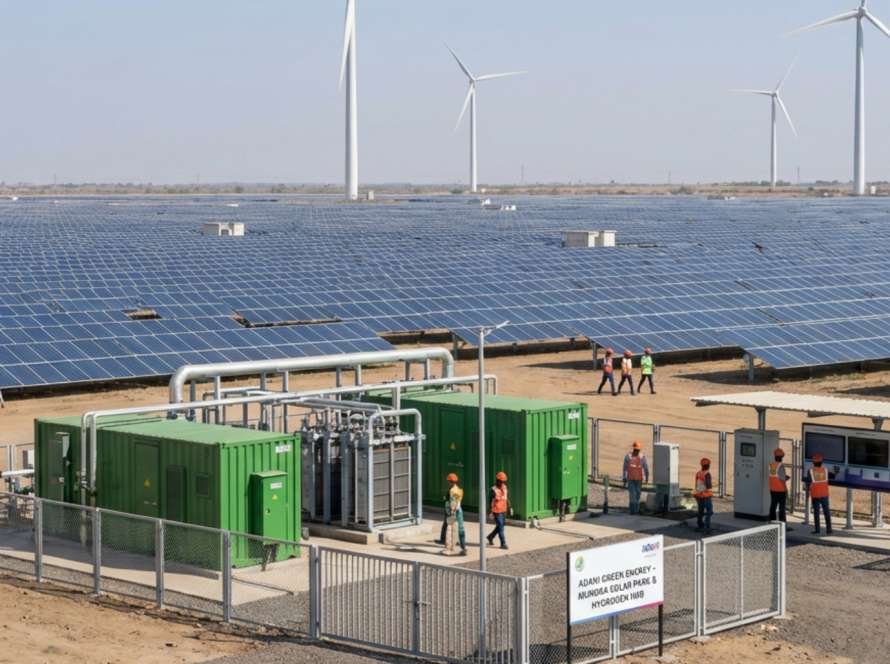
India has set an ambitious target to produce five million metric tonnes of green hydrogen by 2030. Nearly half of that capacity has already been achieved. Hydrogen Valleys are being developed in Pune, Kochi, and Amravati, with additional regions under consideration.
These projects represent India’s commitment to building a sustainable hydrogen ecosystem. With the country aiming for net-zero emissions by 2070, green hydrogen is expected to play a central role in decarbonizing industries, transforming transport, and creating jobs in the renewable energy sector.
The Efficiency Challenge
Despite its promise, green hydrogen still faces challenges around efficiency. Producing hydrogen through electrolysis requires a large amount of electricity, and energy is lost at every stage of the process.
Electrolysis consumes significant energy to split water into hydrogen and oxygen. Compression or liquefaction for storage and transport causes another 10 to 15 percent energy loss. During transportation and handling, more energy is lost through boil-off and maintenance. Finally, converting hydrogen back into electricity through fuel cells or turbines retains only about 50 to 60 percent of its energy content.
In total, up to 70 percent of the original energy can be lost. However, this is steadily improving. Advances in catalysts, high-efficiency electrolysers, and digital optimization are already making green hydrogen production more effective.
Building the Infrastructure for Scale
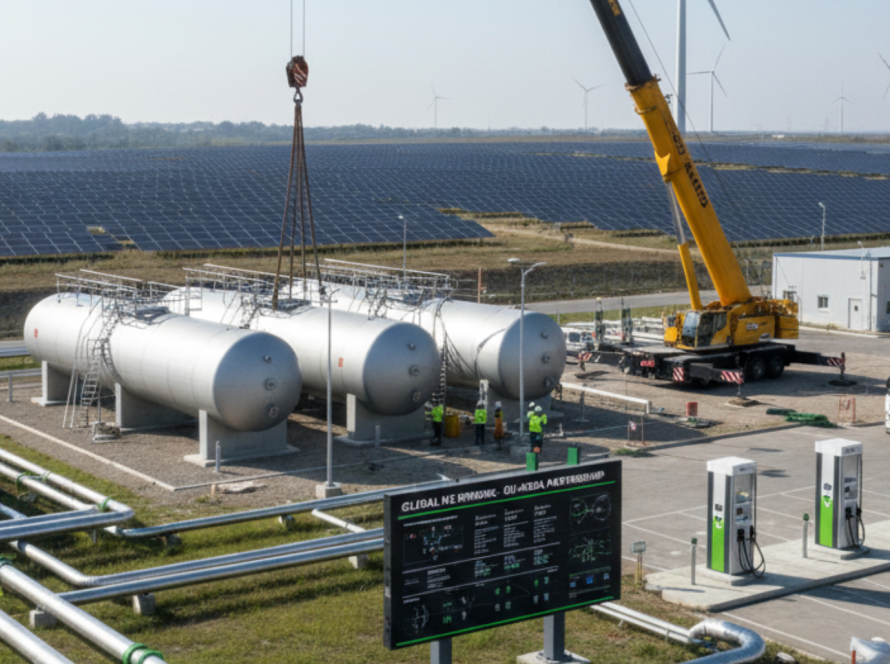
To achieve large-scale adoption, green hydrogen production must be supported by a robust infrastructure network that includes refueling stations, storage facilities, and transport pipelines.
Each kilogram of green hydrogen can prevent about 10 to 12 kilograms of carbon dioxide emissions when compared with fossil fuels. Replacing five million tonnes of fossil-based hydrogen could prevent nearly 60 million tonnes of CO₂ every year. The environmental payoff is enormous, but it depends on the creation of a strong supply chain that can deliver hydrogen efficiently and safely.
The Cost Question
Cost remains one of the biggest barriers to widespread hydrogen adoption. Electrolysers, which are central to hydrogen production, make up a large part of total project expenses. Imported units are still cheaper than those manufactured domestically, making it difficult for India to achieve cost competitiveness.
Currently, green hydrogen costs about twice as much as fossil-based hydrogen. The good news is that costs are falling fast. As renewable power prices decline and domestic manufacturing expands, green hydrogen is expected to become more affordable. Government incentives and public-private partnerships are already helping bridge this gap.
Understanding Hydrogen Types
| Hydrogen Type | Description | Production Method | Emissions (kg CO₂e/kg H₂) |
| Green | Cleanest and fully renewable | Electrolysis using solar or wind power | ~0 |
| Turquoise | Produces solid carbon as a byproduct | Methane pyrolysis | ~0–1 |
| Pink | Low-carbon option using nuclear energy | Electrolysis powered by nuclear plants | 0.5–1 |
| Blue | Transitional solution with carbon capture | Steam methane reforming with CCS | 1–3 |
| Grey | High-emission and widely used | Steam methane reforming | 9–14 |
| Black/Brown | Highly polluting and being phased out | Coal gasification | 18–25 |
India’s long-term strategy focuses on expanding green and turquoise hydrogen while reducing reliance on grey and brown production methods.
Innovation and Future Outlook
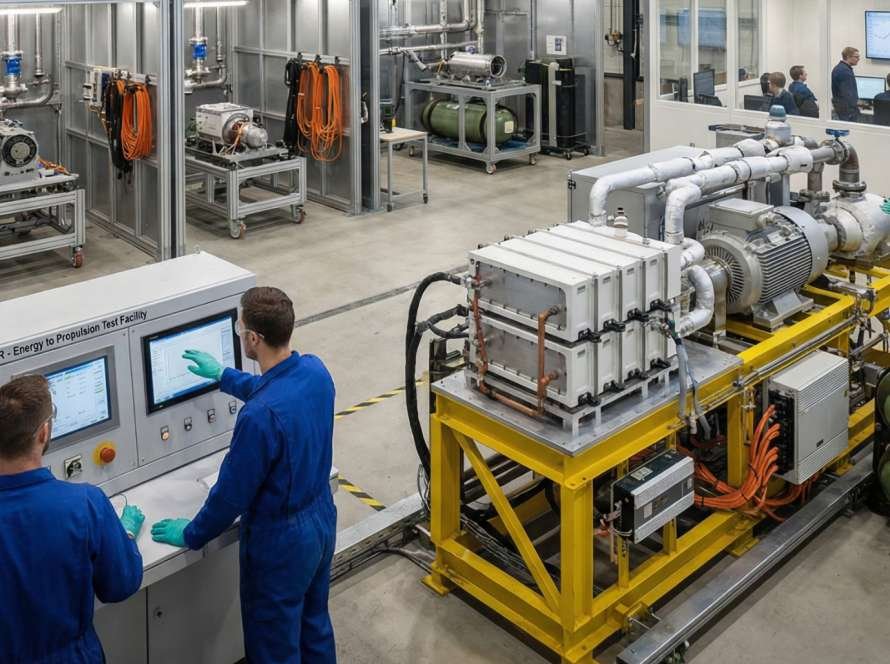
Research and innovation in hydrogen technologies are growing rapidly. Scientists and engineers are developing better catalysts, more efficient electrolysers, and improved hydrogen engines for transport. Work is also underway to use recycled or seawater instead of freshwater for hydrogen production, making the process more sustainable.
Experts believe that within the next five to six years, these advancements will make hydrogen-powered vehicles and industrial systems more practical and affordable.
Integrated renewable platforms accelerating India’s hydrogen ecosystem read more
A Clean Energy Future for All
Hydrogen represents more than a fuel source; it is a pathway to cleaner air and energy independence. It can power factories, transportation systems, and even communities. Pilot projects across India are already showing how hydrogen can create local jobs, promote recycling, and cut emissions at the same time.
The goal is clear: make hydrogen affordable, reliable, and accessible. Once that happens, India’s clean energy transformation will accelerate at a scale the world has never seen before.
Conclusion
India’s hydrogen story is entering a decisive phase. Policies are in place, investments are flowing, and research is accelerating. The next step is execution, building infrastructure, scaling production, and cutting costs.
Green hydrogen India is not just an environmental initiative; it is a new chapter in industrial progress. With focus, innovation, and collaboration, India has the potential to lead the global clean energy revolution.